HISTORY
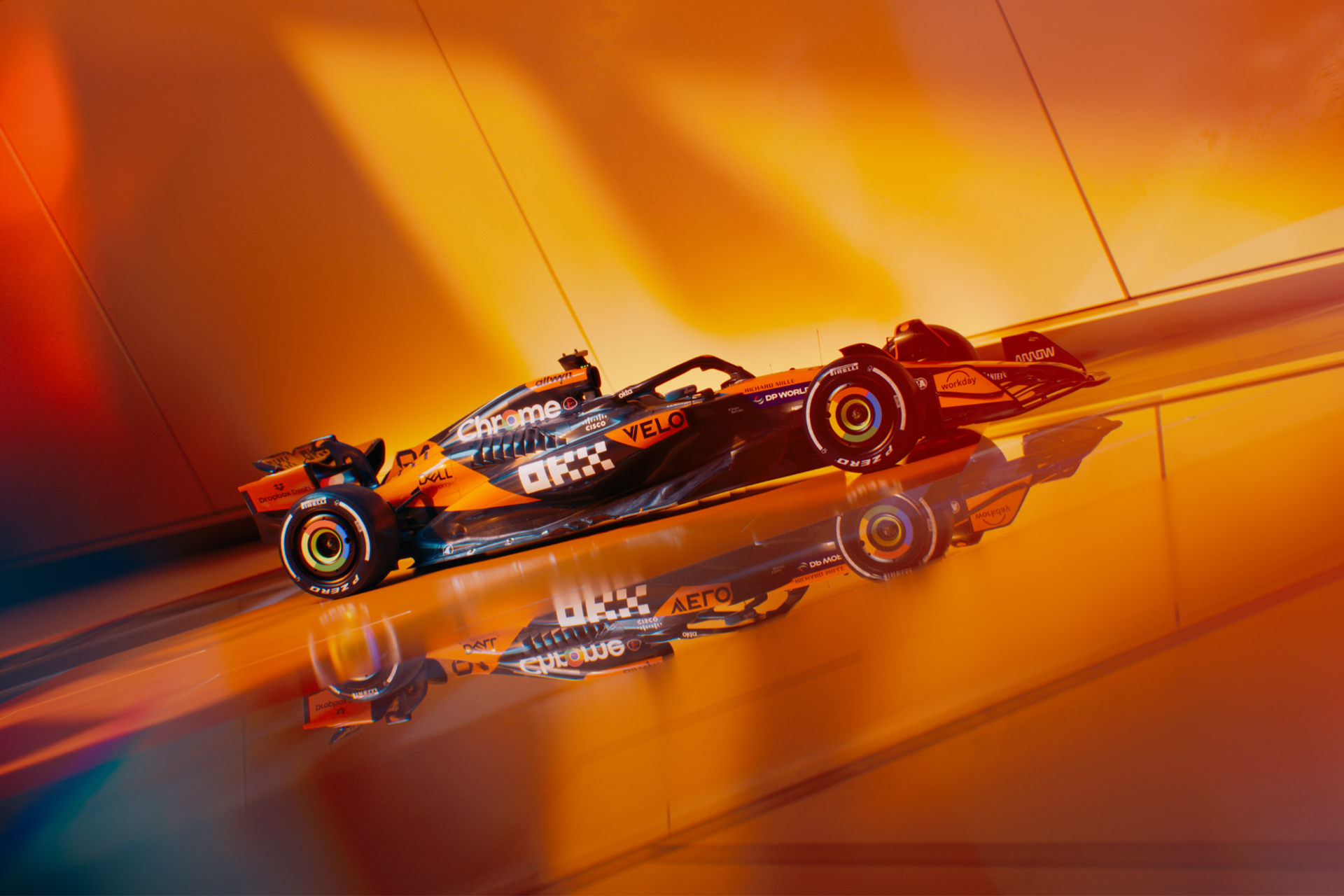
The McLaren MCL39 represents the evolution of McLaren's remarkable turnaround, succeeding the MCL38 which claimed the team's first Formula 1 World Constructors' Championship since 1998. Built under the direction of Technical Director Rob Marshall and launched in February 2025, the MCL39 carries forward the aerodynamic philosophy and technical foundations that made the MCL38 a dominant force throughout the latter half of 2024. Lando Norris entered the 2025 season as a championship favourite following impressive performances in 2024, where he claimed his first Formula 1 victories and challenged deep into the drivers' title race. The MCL39 was subjected to constant development throughout the 2025 season, with significant upgrades introduced at various races including new aerodynamic packages and suspension refinements. The car proved dominant in the early season, particularly in wet-weather and street circuit conditions, with Norris and teammate Oscar Piastri delivering multiple wins and poles.
TEAM STATS AS OF 2025 SEASON
Team Name McLaren F1 Team
Base Woking, United Kingdom
First MCL39 Run February 2025 (Private testing, Silverstone)
Competitive Debut Bahrain Grand Prix 2025
Engine Mercedes M16 (partnership optimised and sharpened for 2025)
Drivers Lando Norris, Oscar Piastri
Team Principal Andrea Stella
Technical Director Rob Marshall
2024 Title McLaren World Constructors' Championship
Podiums (2025) 34 podium finishes across season
Victories (2025) 14 wins (7 Piastri, 7 Norris)
Poles (2025) 13 pole positions (7 Norris, 6 Piastri)
2025 CAR NOTES
The MCL39 features a heavily revised front wing design and optimised aerodynamic philosophy refined through hundreds of hours in the simulator, CFD, and wind tunnel testing. Its Mercedes power unit delivers both raw output and unprecedented reliability at the team's request. Throughout the season, McLaren introduced frequent updates to brake duct cooling, suspension geometry, and beam wing configurations to maintain competitive advantage. In qualifying trim, the car proved exceptionally sharp, whilst in race configurations it demonstrated the kind of stability and balance needed for long-distance consistency. Notable upgrades included revised rear corners, modified suspension geometry at Imola, and strategically timed aerodynamic packages tested on practice Fridays ahead of race introductions. The MCL39's dominance was not merely machine-based but a seamless integration of drivers, engineers, strategists and factory personnel working with exacting precision to turn potential into performance.
Featured in this Editorial
McLaren F1 MCL39 Lando Norris
Available in: 1:43 | ₹1999